


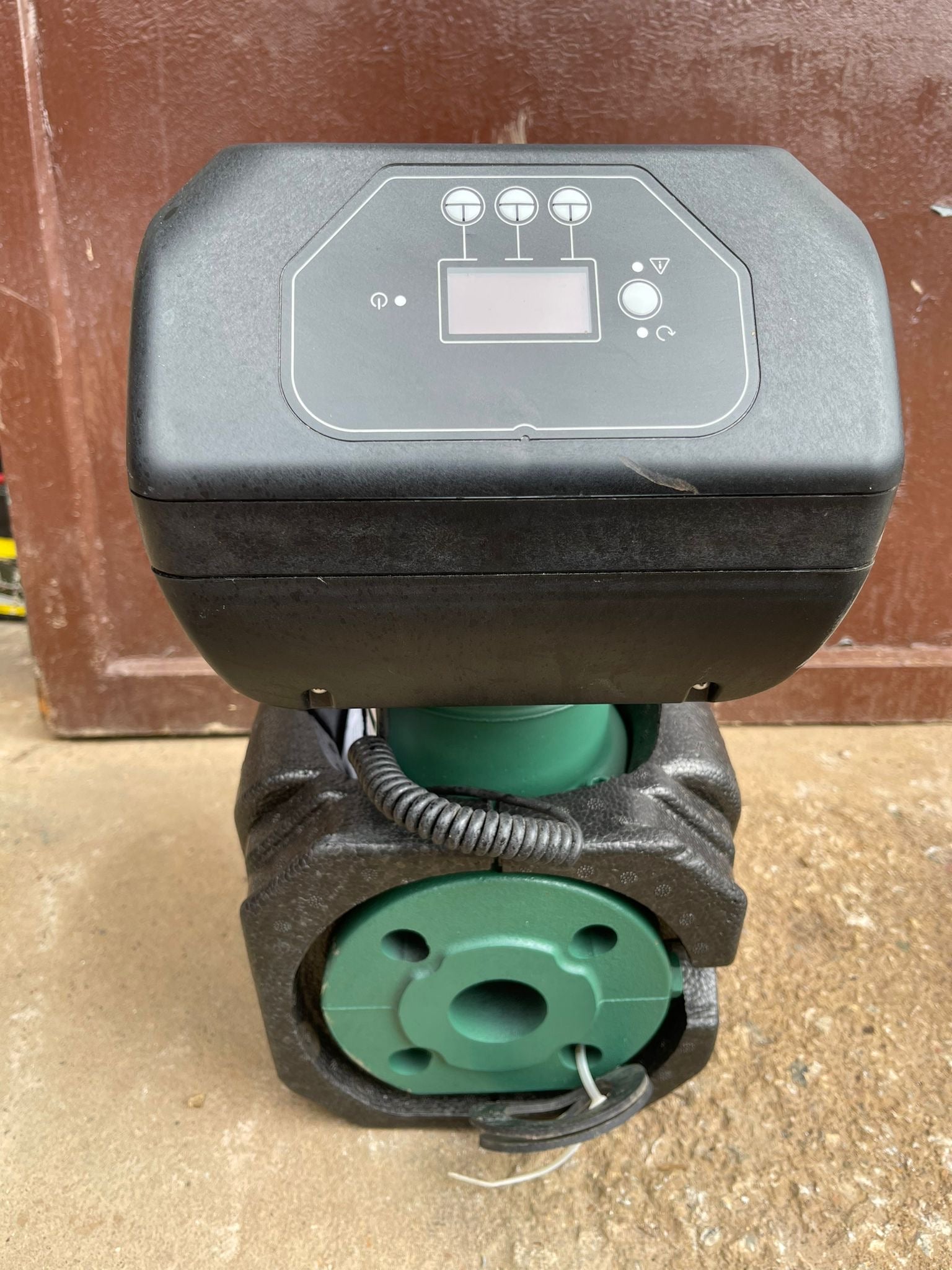

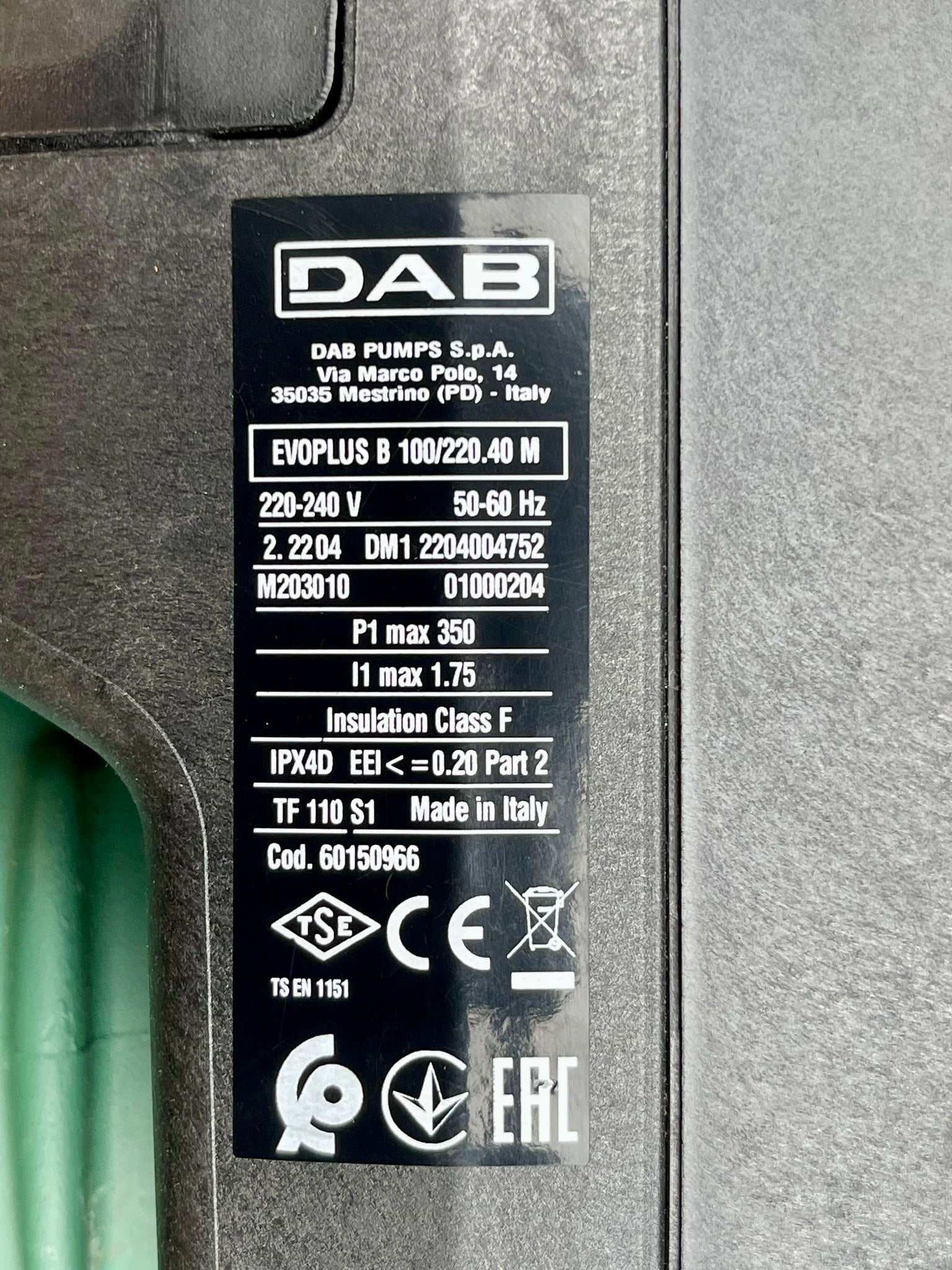

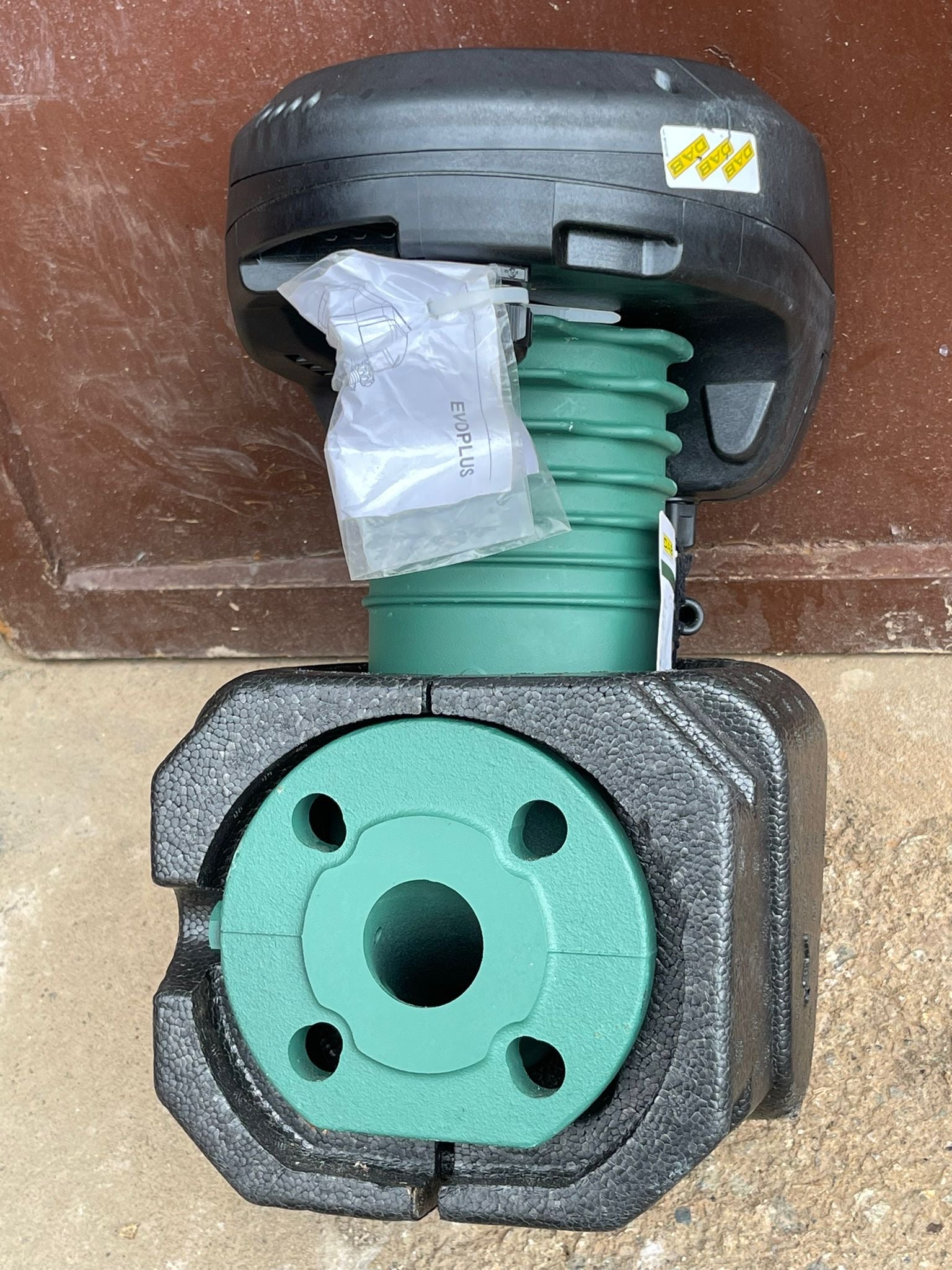

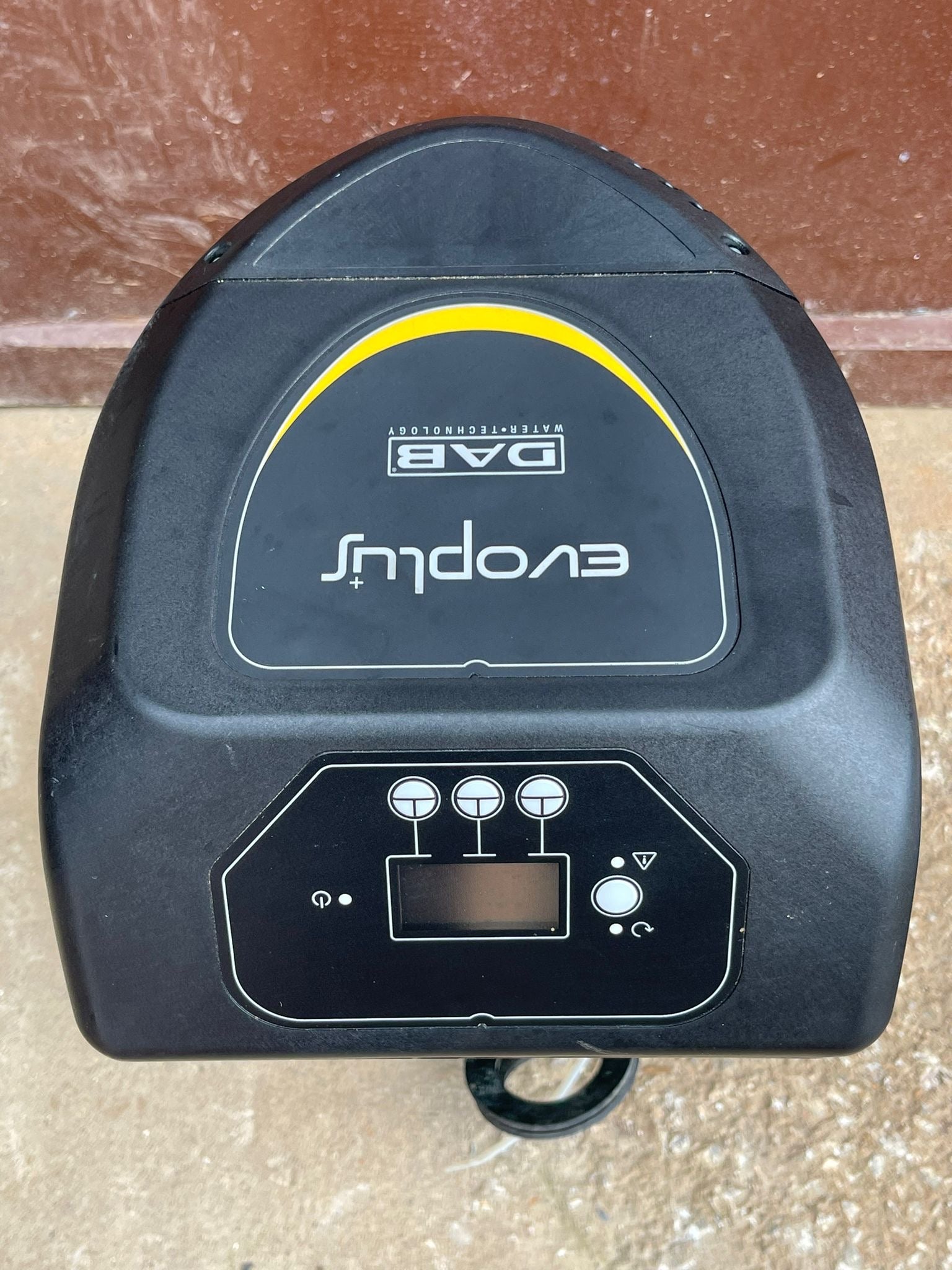

DAB EVOPLUS B 100/220.40 M DN40 Flanged Variable Speed Heating Circulator Pump 230V 220mm 60150966 #5023
£749.00GBP
inc VAT
Technical overview
About these figures
These figures provide simplified information for searching, filtering and initial comparison. They are not a complete specification. Exact details depend on the model and configuration.
Power rating: Usually the motor’s rated mechanical output (P2). Electrical input power (P1) is a different value. Check the product’s nameplate or manufacturer’s documentation to confirm which rating applies.
Outlet size: The nominal size class is expressed on a millimetre basis: for example, DN40 denotes a nominal 40 mm size. It does not specify the exact measured opening, connection type, thread, flange drilling or pressure rating.
Head and flow: Indicative figures describing the pump’s performance envelope, rather than a single operating duty point. Do not assume maximum flow is available at maximum head, or that every combination within the ranges is achievable. Minimum figures do not establish safe continuous operating limits. Consult the relevant performance curve.
Check the product description, nameplate and manufacturer’s documentation before selection or installation. Please contact us before purchasing if you need help confirming suitability or connection details.
| Nominal voltage | 240v |
| Rated power | 0.35 kW |
| Nominal outlet size (mm) | DN 40 |
| Port-to-Port Length | 220.0 mm |
| Shipping Weight | 25.0 kg |
| Package Dimensions | 45.0 × 35.0 × 35.0 cm |
| Indicative minimum head | 1.0 m head (0.1 bar) |
| Indicative maximum head | 10.0 m head (1.0 bar) |
| Indicative minimum flow | 0.0 m³/h (0.0 L/s) |
| Indicative maximum flow | 21.0 m³/h (5.8 L/s) |
DAB EVOPLUS B 100/220.40 M DN40 Flanged Variable Speed Heating Circulator Pump 230V 220mm 60150966 #5023
The DAB EVOPLUS B 100/220.40 M is a single-head, electronically controlled circulator for heating and air-conditioning systems. Combining a cast-iron pump body, permanent-magnet motor and integrated variable-speed control, it adjusts its output to suit changing system demand.
With DN40 flanged connections, a 220 mm installation length and a 230 V single-phase supply, this model offers local control through its display, external control using PWM or 0–10 V, and Modbus communication for compatible building management systems.
Condition & Guarantee
As-new surplus stock — unused and uninstalled. Minor cosmetic marks from storage or handling may be present. Supplied with a 2-year guarantee from The Pump Dealer.
Key Technical Specifications
- Manufacturer: DAB Pumps
- Model: EVOPLUS B 100/220.40 M
- Product code: 60150966
- Stock reference: #5023
- Configuration: Single-head, in-line, wet-rotor circulator
- Connections: DN40 flanges with combined PN6 / PN10 / PN16 drilling
- Installation length: 220 mm between flange faces
- Electrical supply: 230 V nominal; manufacturer rating 220–240 V, single phase, 50/60 Hz
- Maximum electrical input: 350 W
- Maximum head: 10 m
- Maximum flow: 20.64 m³/h — approximately 344 litres/minute or 5.73 litres/second
- Maximum operating pressure: 16 bar, subject to the ratings of the complete installation
- Liquid temperature range: −10°C to +110°C
- Pump body: Cast iron
- Impeller: Technopolymer
- Motor: Synchronous permanent-magnet motor with integrated electronic speed control
- Protection: IP44; insulation class F
- Energy Efficiency Index: EEI ≤ 0.20
- Operating modes: Proportional differential pressure, constant differential pressure and constant curve
- External control: PWM or 0–10 V; RS485 Modbus communication
Performance note: Maximum head and maximum flow describe different points on the pump’s performance envelope. They are not available simultaneously. Select the pump using the required flow and head together, referring to the manufacturer’s curve.
Typical Applications
- Commercial and larger residential heating circuits
- Radiator systems with thermostatic valves
- Underfloor heating and distribution circuits
- Air-conditioning and chilled-water circulation
- Compatible boiler, heat-pump and building management installations
Suitability depends on the system’s hydraulic duty, fluid, temperature, flange arrangement and control requirements. This is the standard cast-iron heating model, rather than the bronze EVOPLUS SAN version for domestic hot-water recirculation.
Manufacturer Information & Technical Documents
- DAB EVOPLUS manufacturer range page
- DAB EVOPLUS installation and maintenance manual — PDF
- Archived DAB technical catalogue and performance curves — PDF
The archived catalogue covers this generation of EVOPLUS. See printed page 39 for DN40 dimensions and electrical data, and printed page 51 for the B 100/220.40 M control curves.
Frequently Asked Questions
What does B 100/220.40 M mean?
B identifies the single-head flanged version. 100 denotes a nominal maximum head of 100 decimetres, or 10 metres. 220 is the installation length in millimetres, 40 identifies the DN40 connection size, and M indicates a single-phase electrical supply.
Is this a complete pump or a replacement motor head?
This listing is for the complete single-head circulator, including the hydraulic body and electronic motor assembly. It is not a motor-head-only listing. DAB uses the designation D for the corresponding twin-head range.
What is variable-speed control, and why is it useful?
The integrated electronics vary motor speed to match the selected operating mode. As demand changes, the pump can reduce unnecessary output, helping to limit electricity consumption and excessive pressure across valves. Actual savings depend on the installation and settings.
What is PWM?
PWM means Pulse Width Modulation. It is a control signal made from repeated electrical pulses. The proportion of each cycle spent switched on, known as the duty cycle, communicates the requested operating level to the pump.
Why is PWM compatibility important?
A compatible boiler, heat-pump controller or other control system can use PWM to command pump output. The controller and pump must agree on the signal requirements and configuration. PWM is a control input; it does not replace the pump’s 230 V mains supply.
What is the other external control mode?
0–10 V analogue control is the alternative to PWM. A varying voltage communicates the required setting. On this EVOPLUS, PWM and 0–10 V share the control input and are alternative selections, so they cannot be used simultaneously on that input. Depending on the selected operating mode, the external signal adjusts the pressure setpoint or requested speed.
What is delta P-v, or proportional differential pressure?
Δp-v varies the target pressure difference as flow demand changes. When valves close and demand falls, the pump reduces its pressure target. This can suit radiator circuits where distribution-pipe pressure losses form a substantial part of the required pump head.
What is delta P-c, or constant differential pressure?
Δp-c aims to maintain the selected pressure difference as flow changes, within the pump’s operating limits. It can suit underfloor heating and other circuits that require a steady differential pressure. It does not mean constant flow.
What is constant-curve operation?
This mode selects a pump characteristic by setting a speed percentage. Flow still depends on the resistance of the connected system. Constant-curve operation should therefore not be confused with automatic constant-flow regulation.
Can it connect to a building management system?
Yes. The EVOPLUS manual documents RS485 Modbus communication, a configurable remote start/stop input, an Economy input and outputs for alarm and running status. A compatible LON connection requires an external interface. Connections and settings must follow the manufacturer’s instructions.
Does it need a separate variable-speed drive?
No separate drive is required for its normal variable-speed operation: the speed-control electronics are built into the pump. External controllers are optional where the installation requires remote commands or monitoring.
Can the pressure setting respond to water temperature?
Yes. The documented temperature-influence function adjusts the pressure setpoint according to water temperature. This is different from maintaining a fixed water temperature or a fixed temperature difference between flow and return.
Can it circulate water containing glycol?
The original EVOPLUS manual permits water containing up to 30% ethylene glycol. The liquid must otherwise meet DAB’s requirements for clean, non-aggressive fluids. Glycol changes viscosity and hydraulic performance, so check the required duty with the intended mixture.
Is it suitable for drinking water?
This standard cast-iron model is intended for heating and air-conditioning circulation. It should not be selected as a potable-water recirculation pump. DAB offers separate SAN variants for that application.
What do DN40, 220 mm and PN16 mean?
DN40 is the nominal connection size, not the flange’s outside diameter. 220 mm is the face-to-face fitting length. The pump body has a maximum operating pressure of 16 bar, but the permitted system pressure also depends on the mating flanges, gaskets and other components. Confirm the complete flange arrangement before ordering.
Does a 10 m head rating mean it is only suitable for a 10 m-high building?
No. In a filled, closed heating circuit, pump head primarily overcomes circuit resistance. Building height affects the required static system pressure, which is a separate consideration. Pump selection must account for both hydraulic duty and allowable system pressure.
How should the pump be installed?
DAB specifies a horizontal motor shaft and the correct orientation of the electronic control unit. Follow the flow arrow, fill and vent the system before operation, and do not run the pump dry. Keep the electronics and condensate drainage clear when insulating the installation.
About Our Stock
The Pump Dealer supplies surplus pumps and pumping equipment. This item is offered as unused, uninstalled surplus stock with our 2-year guarantee. Please check the listing photographs for the exact item and supplied accessories.
For help matching a replacement or checking suitability, call 01803 220416 and quote stock reference #5023 and DAB product code 60150966.
Specification & guidance notice: Technical information and FAQ content are provided in good faith based on manufacturer literature and industry experience. Descriptions of hydraulic types and application suitability represent general guidance only and do not constitute a guarantee of performance. Actual results will depend on system design, pipework losses, media characteristics, and installation conditions. Please consult the manufacturer & thier documentation and satisfy yourself that the equipment is suitable for your specific application prior to purchase.